


 English
 русский

Content
- 1 What Are the Key Properties of 304 Stainless Steel Strips?
- 2 What Are the Typical Applications of 304 Stainless Steel Strips?
- 3 How Are 304 Stainless Steel Strips Manufactured?
- 4 What Are the Advantages of 304 Stainless Steel Strips Over Other Materials?
- 5 How to Choose the Right 304 Stainless Steel Strip for Your Application?
- 6 Conclusion: Why 304 Stainless Steel Strips Are Essential for Modern Industry
304 stainless steel strips are essential components in a variety of industries due to their excellent corrosion resistance, strength, and versatility. They are commonly used in construction, automotive, kitchen appliances, medical devices, and electronic components. Their combination of durability and aesthetic appeal makes them a popular choice for both functional and decorative applications.
What Are the Key Properties of 304 Stainless Steel Strips?
The performance of 304 stainless steel strips depends on their composition and processing. Key properties include:
- Corrosion Resistance: Excellent resistance to oxidation and chemical exposure, ideal for harsh environments.
- Mechanical Strength: Offers good tensile strength and durability for structural applications.
- Formability: Can be easily fabricated into strips, coils, or sheets without compromising integrity.
- Heat Resistance: Maintains mechanical properties even at elevated temperatures, suitable for high-heat applications.
- Aesthetic Appeal: Smooth finish and shiny surface, suitable for visible applications in consumer products.
What Are the Typical Applications of 304 Stainless Steel Strips?
304 stainless steel strips are used across multiple industries due to their adaptability and performance:
- Construction: Used in structural supports, facade cladding, handrails, and architectural elements.
- Automotive: Components like trim, exhaust parts, and safety features rely on corrosion-resistant strips.
- Kitchen Appliances: Ideal for sinks, countertops, ovens, and food processing equipment.
- Medical Devices: Used for surgical instruments, medical trays, and sterilizable equipment.
- Electronics: Enclosures, frames, and shielding components benefit from its conductivity and durability.
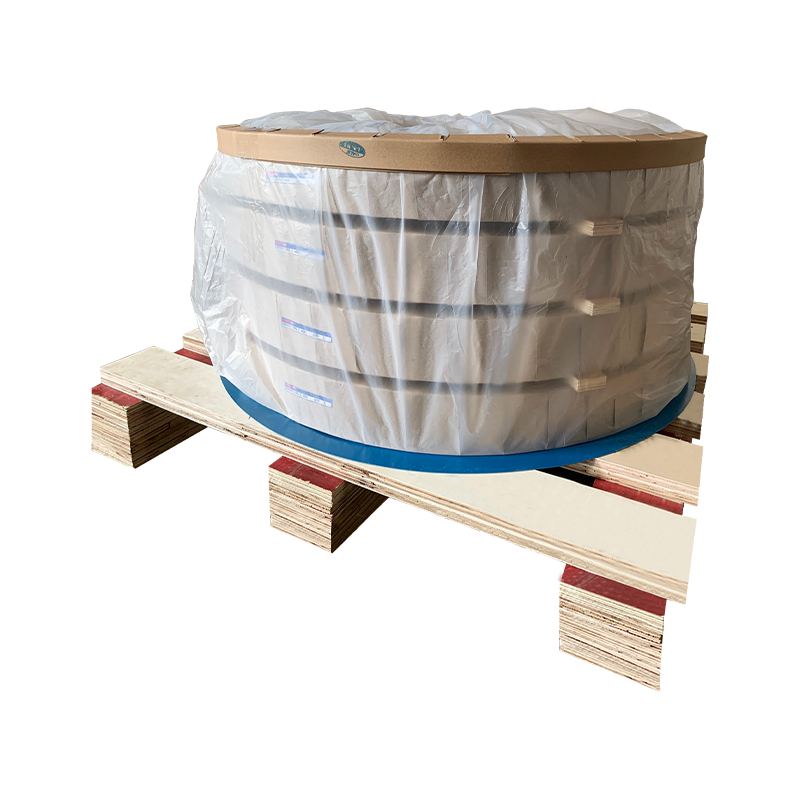
How Are 304 Stainless Steel Strips Manufactured?
The manufacturing process ensures high-quality strips suitable for various applications. Common steps include:
- Melting and Casting: Molten steel is poured into molds or continuous casting machines.
- Hot Rolling: The material is rolled at high temperatures to achieve desired thickness and strength.
- Cold Rolling: Further reduction in thickness at room temperature improves surface finish and mechanical properties.
- Annealing: Heat treatment relieves internal stresses and enhances ductility.
- Finishing: Surface finishing methods such as polishing, brushing, or passivation improve corrosion resistance and aesthetics.
What Are the Advantages of 304 Stainless Steel Strips Over Other Materials?
Compared to other metals or alloys, 304 stainless steel strips offer unique benefits:
- Corrosion Resistance: Superior to carbon steel or aluminum in wet or chemical environments.
- Long Lifespan: Resistant to wear and oxidation, reducing replacement and maintenance costs.
- Versatility: Suitable for diverse applications across industries without extensive modification.
- Aesthetic Value: Retains bright and polished appearance over time, ideal for visible components.
- Fabrication Flexibility: Easily cut, bent, or welded without losing structural integrity.
How to Choose the Right 304 Stainless Steel Strip for Your Application?
Selecting the right strip requires consideration of multiple factors:
- Thickness: Determine based on mechanical load and application requirements.
- Width: Ensure compatibility with machinery, fabrication processes, or final product dimensions.
- Surface Finish: Choose between mirror, matte, or brushed finishes depending on aesthetic and functional needs.
- Heat and Chemical Exposure: Consider application environment to ensure long-term performance.
- Cost Considerations: Balance performance requirements with budget constraints.
Conclusion: Why 304 Stainless Steel Strips Are Essential for Modern Industry
304 stainless steel strips are versatile, durable, and corrosion-resistant materials that meet the demands of modern industrial applications. From construction and automotive to medical and electronic sectors, their combination of strength, flexibility, and aesthetic appeal ensures reliable performance. Choosing the right strip involves understanding the material properties, application requirements, and environmental factors, making 304 stainless steel an indispensable component in today's manufacturing landscape.
 Previous


