


 English
 русский

Content
- 1 Understanding 441 Cold Rolled Stainless Steel Strip
- 2 Why 441 Stainless Steel Is Suitable for Coffee Makers
- 3 Chemical Composition and Material Stability
- 4 Cold Rolling Process and Its Impact on Performance
- 5 Typical Applications in Coffee Maker Design
- 6 Comparison With Other Stainless Steel Grades
- 7 Forming, Stamping, and Fabrication Considerations
- 8 Food Safety and Compliance Requirements
- 9 Selecting the Right Specification for Coffee Makers
- 10 Conclusion: A Practical Material Choice for Modern Coffee Makers
Understanding 441 Cold Rolled Stainless Steel Strip
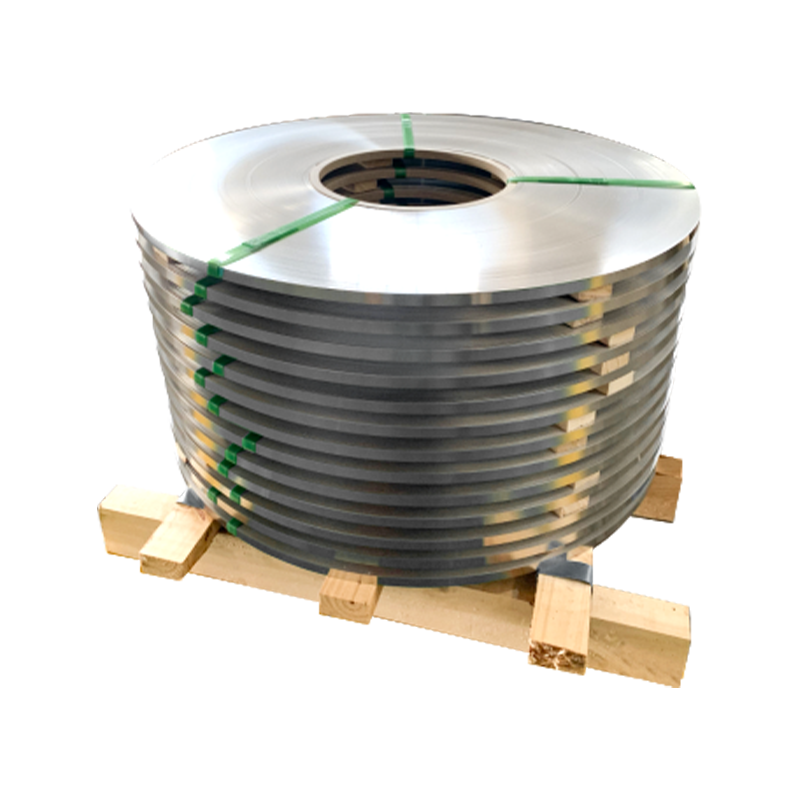
441 cold rolled stainless steel strip is a ferritic stainless steel grade designed to offer a balanced combination of corrosion resistance, thermal stability, and cost efficiency. For coffee maker manufacturing, this material has become increasingly popular due to its ability to withstand repeated heating cycles, exposure to water, and contact with food-related substances. Unlike austenitic grades, 441 stainless steel relies on chromium and stabilizing elements rather than nickel, making it more price-stable and suitable for mass production.
Cold rolling further enhances the strip’s dimensional accuracy, surface finish, and mechanical consistency. These characteristics are particularly important in coffee makers, where thin metal components must fit precisely and perform reliably over long service lives.
Why 441 Stainless Steel Is Suitable for Coffee Makers
Coffee makers operate in a demanding environment that combines heat, moisture, mild acidity from coffee, and frequent on-off cycles. 441 cold rolled stainless steel strip is engineered to meet these conditions without compromising safety or durability. Its ferritic structure provides good resistance to stress corrosion cracking, a common concern in heated water systems.
Additionally, the material’s stability at elevated temperatures ensures that components such as heating plates, brackets, and internal supports maintain their shape and function even after thousands of brewing cycles.
Key Advantages for Coffee Maker Components
- Excellent resistance to oxidation and scaling under repeated heating
- Stable mechanical properties without significant deformation
- Nickel-free composition helps control material cost
- Suitable for food-contact applications when properly processed
Chemical Composition and Material Stability
441 stainless steel typically contains around 17–18% chromium, with additions of niobium and titanium for stabilization. These elements prevent carbide precipitation at grain boundaries, which improves corrosion resistance and weldability. For coffee makers, this stability translates into longer-lasting parts that resist internal corrosion caused by hot water and steam.
Because the alloy does not rely on nickel, it avoids price volatility and potential concerns related to nickel sensitivity in consumer products. This makes it an attractive option for manufacturers targeting both performance and compliance.
Cold Rolling Process and Its Impact on Performance
Cold rolling is a critical step in producing stainless steel strip for precision appliances like coffee makers. By rolling the steel at room temperature, manufacturers achieve tighter thickness tolerances and smoother surfaces. These improvements directly affect assembly accuracy and visual quality.
For internal components, consistent thickness ensures uniform heat transfer and predictable mechanical behavior. For visible or semi-visible parts, a refined surface finish reduces the need for extensive secondary polishing or coating.
Benefits of Cold Rolled Finish
- Improved surface smoothness for easier cleaning
- Enhanced dimensional control for tight assembly tolerances
- Better consistency across large production batches
Typical Applications in Coffee Maker Design
441 cold rolled stainless steel strip is commonly used in both structural and functional parts of coffee makers. Its heat resistance and formability make it suitable for components that experience direct thermal exposure as well as those providing mechanical support.
Manufacturers often select this grade for parts that must remain stable without adding unnecessary weight or cost to the appliance.
- Heating plates and thermal spreaders
- Internal brackets and frames
- Water channel supports and shields
- Base plates for compact coffee machines
Comparison With Other Stainless Steel Grades
When selecting stainless steel for coffee makers, manufacturers often compare 441 with grades such as 430 or 304. Each material has its strengths, but 441 offers a practical balance for high-volume appliance production.
| Grade | Corrosion Resistance | Heat Stability | Cost Level |
| 441 | Good | Very Good | Medium |
| 430 | Moderate | Good | Low |
| 304 | Excellent | Excellent | High |
Forming, Stamping, and Fabrication Considerations
441 cold rolled stainless steel strip demonstrates good formability for typical coffee maker parts, including bending, stamping, and shallow drawing. Its ferritic structure allows predictable forming behavior, which is essential for automated production lines.
Proper tooling design and controlled forming speeds help prevent surface defects and ensure consistent part quality. Post-forming stress relief may be applied for components exposed to continuous heat.
Food Safety and Compliance Requirements
For coffee maker applications, material safety is non-negotiable. 441 stainless steel strip can meet food-contact regulations when produced and finished according to relevant standards. Its chromium-rich surface forms a passive oxide layer that minimizes metal leaching.
Manufacturers should ensure that the steel is sourced from qualified suppliers and that surface treatments, if any, are compatible with food-contact use.
Selecting the Right Specification for Coffee Makers
Choosing the correct thickness, width, and surface finish of 441 cold rolled stainless steel strip depends on the specific coffee maker design. Thin gauges are often used for heat-related components, while thicker strips provide structural support.
By aligning material specifications with functional requirements, manufacturers can optimize performance, cost, and durability.
Conclusion: A Practical Material Choice for Modern Coffee Makers
441 cold rolled stainless steel strip for coffee maker applications offers a reliable balance of heat resistance, corrosion protection, and cost efficiency. Its stable performance under thermal cycling and compatibility with high-volume manufacturing make it a practical choice for modern appliance design.
For manufacturers seeking dependable materials that meet both technical and regulatory demands, 441 stainless steel strip remains a strong and proven option in the coffee maker industry.
 Previous


