


 English
 русский

Content
- 1 Key Grades in the 300 Series and Their Properties
- 2 Mechanical Properties and Performance Characteristics
- 3 Common Applications of 300 Series Stainless Steel Strips
- 4 How to Choose the Right Grade and Thickness
- 5 Quality Standards and Inspection Criteria
- 6 Conclusion: Maximizing Value with 300 Series Stainless Steel Strips
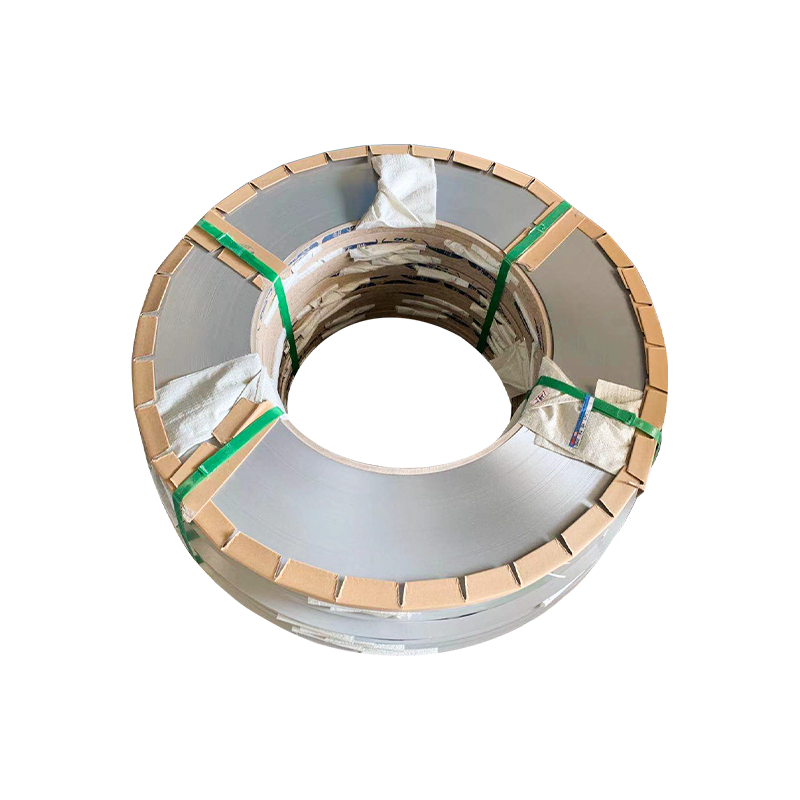
300 series stainless steel strips are thin, flat pieces of stainless steel produced in coil form and then slit into strips. These strips are widely used in manufacturing, construction, and industrial applications due to their excellent corrosion resistance, formability, and high-temperature performance. The 300 series is a group of austenitic stainless steels that contain chromium and nickel, providing a balance of strength and corrosion resistance. Common grades include 301, 304, 316, and 321, each tailored for specific environments and requirements.
Key Grades in the 300 Series and Their Properties
Understanding the differences between 300 series grades is essential when selecting the right strip for your application. Each grade offers distinct advantages based on its chemical composition and mechanical properties.
304 Stainless Steel Strip
304 is the most commonly used 300 series grade. It offers excellent corrosion resistance, good formability, and strong weldability. This grade performs well in food processing, kitchen equipment, and general industrial applications. It can withstand exposure to many chemicals and is suitable for both indoor and outdoor environments.
316 Stainless Steel Strip
316 contains molybdenum, which significantly improves resistance to pitting and crevice corrosion, especially in chloride environments. This makes 316 strips ideal for marine applications, chemical processing, and environments where salt exposure is common. It also maintains strength at higher temperatures compared to 304.
301 Stainless Steel Strip
301 is known for its high strength and excellent toughness. It can be cold-worked to increase tensile strength, making it suitable for springs, clips, and components requiring high mechanical performance. However, it offers slightly lower corrosion resistance compared to 304.
321 Stainless Steel Strip
321 is stabilized with titanium, which improves resistance to intergranular corrosion after exposure to high temperatures. This grade is commonly used in aerospace, exhaust systems, and high-temperature industrial equipment where thermal stability is critical.
Mechanical Properties and Performance Characteristics
300 series stainless steel strips are valued for their combination of strength, ductility, and corrosion resistance. These strips are typically supplied in cold-rolled form, which provides a smooth surface and tight thickness tolerance. The mechanical properties vary by grade and processing, but common performance indicators include tensile strength, yield strength, elongation, and hardness.
Corrosion Resistance
The chromium content in 300 series stainless steels forms a passive oxide layer that protects the steel from corrosion. This layer is self-healing, meaning it can reform after being scratched, as long as there is sufficient oxygen in the environment. Grades like 316 offer enhanced resistance in chloride-rich environments, while 304 provides reliable performance for general use.
Formability and Cold Working
These strips can be easily formed, bent, and stamped, making them suitable for complex shapes and precision parts. Cold working increases strength but reduces ductility. For applications requiring high strength, 301 is often selected due to its excellent cold work hardening capability.
Common Applications of 300 Series Stainless Steel Strips
300 series stainless steel strips are used in a wide range of industries. Their versatility stems from the combination of corrosion resistance, formability, and strength. Below are typical applications where these strips are commonly employed.
- Automotive components such as trim, brackets, and exhaust parts.
- Kitchen and food processing equipment including sinks, countertops, and food containers.
- Chemical and marine environments where corrosion resistance is critical.
- Medical equipment and devices requiring hygienic surfaces and easy sterilization.
- Construction and architectural elements like cladding, handrails, and decorative strips.
How to Choose the Right Grade and Thickness
Selecting the correct grade and thickness of stainless steel strip depends on the application’s environmental conditions, mechanical demands, and fabrication processes. The right choice ensures durability, performance, and cost-effectiveness.
Consider the Environment
If the strip will be exposed to saltwater, chemicals, or high humidity, grades like 316 or 316L are recommended due to their superior corrosion resistance. For indoor use or dry environments, 304 is often sufficient.
Consider Mechanical Requirements
For applications that require high strength and durability, 301 is a strong candidate due to its cold work hardening capability. For parts requiring heat resistance and stability at high temperatures, 321 is preferred.
Consider Fabrication Methods
Different grades respond differently to welding, stamping, and bending. 304 and 316 are easy to weld and form, while 301 can be more challenging due to its higher strength. Understanding the manufacturing process helps ensure consistent quality and reduce defects.
Quality Standards and Inspection Criteria
High-quality stainless steel strips must meet specific standards and undergo strict inspections. Common standards include ASTM, EN, and JIS, which specify chemical composition, mechanical properties, and tolerance limits. Inspections typically focus on thickness, width, surface finish, and defect detection.
Surface Quality
Surface finish is critical for applications such as architectural trim and food equipment. Common finishes include mill finish, brushed, and mirror finish. Surface defects such as scratches, pits, and stains must be minimized through proper handling and processing.
Dimensional Accuracy
Thickness and width tolerances must be tightly controlled to ensure compatibility with automated production lines and precision assembly. High-quality strips maintain consistent dimensions across the coil, reducing waste and improving productivity.
Conclusion: Maximizing Value with 300 Series Stainless Steel Strips
300 series stainless steel strips are essential materials for modern manufacturing due to their corrosion resistance, formability, and strength. By choosing the right grade—such as 304 for general use, 316 for harsh environments, 301 for high strength, or 321 for high-temperature stability—businesses can optimize performance and reduce long-term costs. Proper material selection, quality inspection, and fabrication planning are key to achieving reliable results and maximizing value in any project.
 Previous


