


 English
 русский

Content
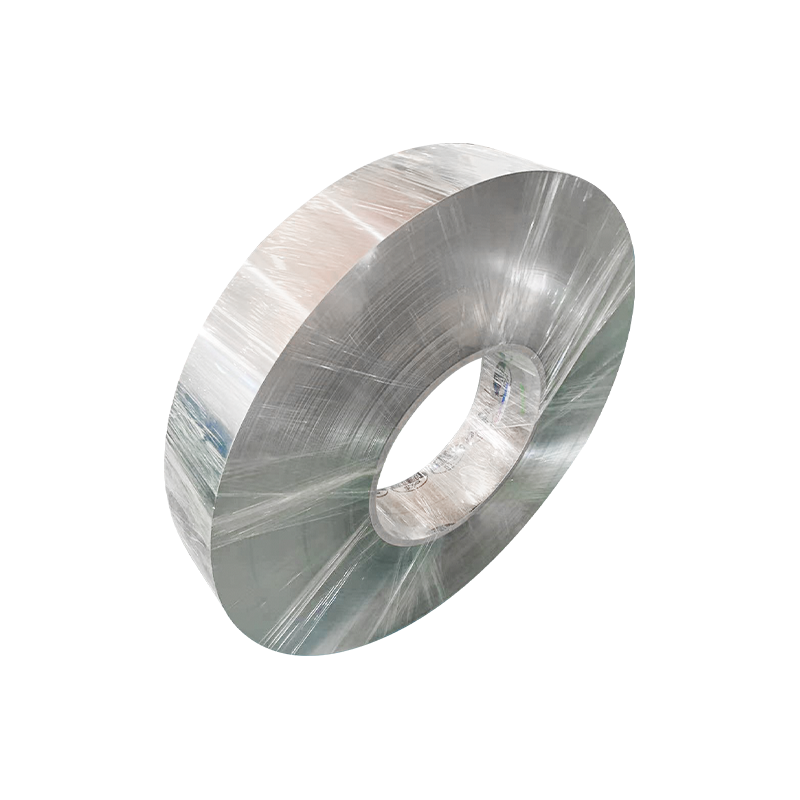
409L cold rolled stainless steel is a low-carbon ferritic stainless steel widely used in automotive, industrial, and expansion joint applications. Its corrosion resistance, weldability, and thermal stability make it suitable for expansion joints that require durability under high stress and thermal cycling. Despite its advantages, fabricating expansion joints with 409L presents unique challenges due to its metallurgical properties and the precision required in joint assembly.
Understanding the common fabrication challenges is critical for engineers, manufacturers, and maintenance personnel to ensure reliability, performance, and longevity of expansion joints. This article provides a detailed overview of these challenges, practical solutions, and best practices for handling 409L cold rolled stainless steel in expansion joint manufacturing.
Material Handling and Surface Preparation Challenges
The first step in fabrication is proper material handling and surface preparation. 409L stainless steel strips can be prone to scratches, contamination, and oxidation if not stored and handled correctly. Surface imperfections can compromise weld integrity and corrosion resistance, leading to premature failure of the expansion joint.
Avoiding Surface Damage
- Use clean gloves and non-abrasive handling tools to prevent scratches and dents.
- Store strips in a dry, controlled environment to minimize oxidation and moisture exposure.
- Remove protective films carefully to avoid tearing or leaving adhesive residue on the metal surface.
Cleaning and Surface Preparation
Proper cleaning removes oil, grease, and contaminants before fabrication. Recommended procedures include degreasing with mild solvents, mechanical cleaning with non-abrasive pads, and passivation to enhance corrosion resistance. Skipping this step may lead to weld defects, surface pitting, and uneven expansion performance.
Welding and Joining Challenges
Welding 409L cold rolled stainless steel requires careful attention due to its low carbon content and ferritic structure. Improper welding can lead to distortion, reduced fatigue strength, and weld cracking.
Controlling Heat Input
- Excessive heat can cause grain growth, reducing corrosion resistance and mechanical strength.
- Use low heat input techniques and controlled welding speeds to minimize thermal distortion.
- Consider preheating for thicker sections to reduce residual stresses.
Preventing Weld Cracking
409L is less prone to carbon-related sensitization, but ferritic stainless steel can still experience hot cracking. Use filler materials compatible with 409L and avoid high restraint during welding. Proper joint design and tack welding can reduce stress concentrations that cause cracking.
Forming and Bending Challenges
Expansion joints often require precise bends and shapes for proper fit and function. Cold rolled 409L strips have limited ductility compared to austenitic grades, which may cause cracking or springback during forming.
Avoiding Cracks During Bending
- Use proper tooling and die radii to distribute stress evenly across bends.
- Perform incremental bending or heat-assisted forming for complex shapes.
Managing Springback
Ferritic stainless steels exhibit significant springback. Compensate for springback by over-bending slightly or using controlled mechanical clamps. Accurate measurement and testing help achieve precise final dimensions.
Corrosion and Oxidation Considerations
Though 409L is corrosion-resistant, improper handling, welding, or exposure to aggressive environments can cause localized corrosion. Expansion joints must maintain integrity under cyclic stress and environmental exposure.
Surface Protection
- Apply passivation or protective coatings to reduce susceptibility to pitting or crevice corrosion.
- Inspect welds and edges for discoloration or scaling that may indicate oxidation.
Dimensional Accuracy and Assembly Challenges
Expansion joints require precise dimensions for effective performance. Fabrication errors can result in leaks, misalignment, or stress concentrations that compromise durability.
Maintaining Consistent Dimensions
- Use precision cutting tools and measurement devices to ensure uniform strip width and length.
- Monitor bending radii, weld positions, and assembly tolerances to achieve proper joint function.
Preventive Measures and Best Practices
To overcome fabrication challenges, adopt preventive measures such as careful material handling, proper storage, controlled welding procedures, and precision forming techniques. Train personnel on best practices for 409L cold rolled stainless steel to reduce errors, minimize waste, and ensure high-quality expansion joints.
Quality Control and Inspection
- Conduct dimensional inspections, surface checks, and weld evaluations before assembly.
- Implement non-destructive testing techniques such as dye penetrant or ultrasonic testing for critical welds.
Conclusion
Fabricating expansion joints with 409L cold rolled stainless steel involves specific challenges related to material handling, welding, forming, corrosion protection, and dimensional accuracy. By understanding these issues and implementing best practices, manufacturers can ensure reliable, high-performance expansion joints. Preventive measures, quality control, and skilled fabrication techniques are key to maximizing the durability and effectiveness of 409L stainless steel components in demanding applications.
 Previous


