


 English
 русский

Content
- 1 Why the 301 vs 304 Decision Matters for Sourcing Managers
- 2 Chemical Composition and Its Impact on Performance
- 3 Mechanical Properties: Strength, Hardness, and Formability
- 4 Corrosion Resistance Comparison
- 5 Side-by-Side Comparison Table
- 6 Cost Considerations for Bulk Sourcing
- 7 Practical Guidance for Choosing Between 301 and 304
Why the 301 vs 304 Decision Matters for Sourcing Managers
Selecting the correct stainless steel grade is rarely a trivial decision, especially when sourcing strips for high-volume manufacturing applications. 301 and 304 stainless steel are both austenitic grades that share a similar chromium-nickel composition, yet their differing mechanical properties make them suited to distinctly different applications. Choosing the wrong grade can lead to costly consequences, from premature material fatigue in spring applications to unnecessary overspending on corrosion resistance that a project never actually required.
For sourcing managers balancing cost, performance, and supplier reliability, understanding the practical differences between these two grades is essential before finalizing purchase specifications. This comparison focuses on the properties that most directly affect procurement decisions, including composition, mechanical strength, corrosion resistance, and typical cost considerations.
Chemical Composition and Its Impact on Performance
The primary distinction between 301 and 304 stainless steel lies in their chromium and nickel content, which directly influences how each grade behaves under stress and environmental exposure.
301 Stainless Steel Composition
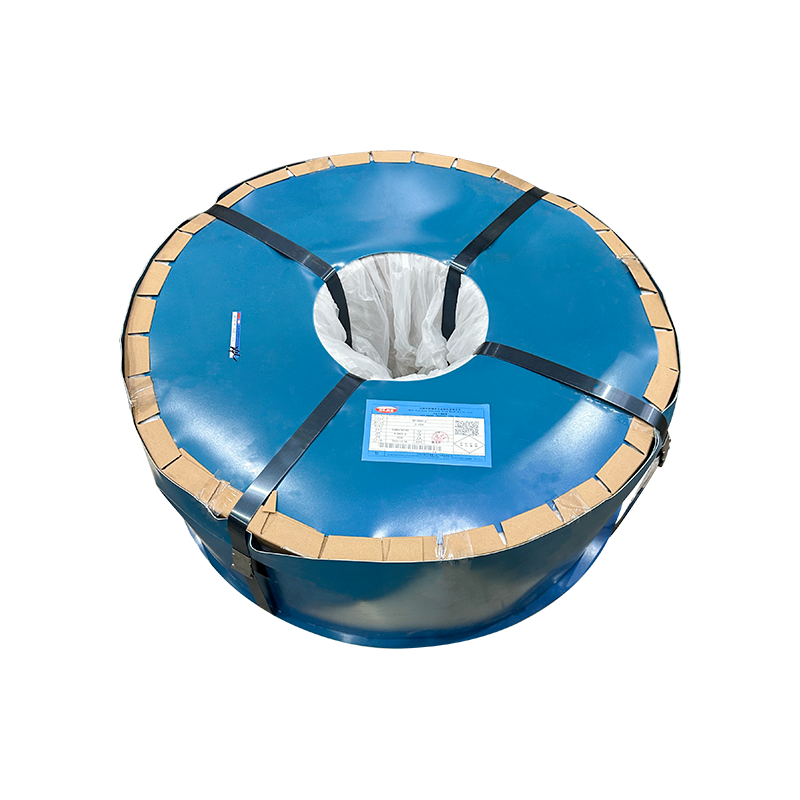
301 stainless steel contains slightly lower chromium and nickel content compared to 304, typically around 16 to 18 percent chromium and 6 to 8 percent nickel. This lower alloy content is intentional, as it allows 301 to undergo significant work hardening during cold rolling, resulting in a strip material with notably higher tensile strength than its 304 counterpart once processed.
304 Stainless Steel Composition
304 stainless steel contains higher chromium and nickel levels, generally 18 to 20 percent chromium and 8 to 10.5 percent nickel. This composition gives 304 superior corrosion resistance and better overall stability across a wider range of environmental conditions, making it the more versatile general-purpose grade of the two.
Mechanical Properties: Strength, Hardness, and Formability
One of the most significant practical differences between these two grades involves how each responds to cold working, which directly affects their suitability for spring, clip, and fastener applications.
301 stainless steel strip is prized specifically for its high work-hardening rate, meaning that as it is cold rolled to thinner gauges, its tensile strength and hardness increase substantially. This makes 301 the preferred choice for applications requiring spring properties, such as battery contacts, clips, and fasteners where material must flex repeatedly without losing its shape. In contrast, 304 stainless steel, while still capable of being cold worked, does not achieve the same level of strength enhancement, making it less suitable for high-tension spring applications but more appropriate where consistent formability and weldability are prioritized over maximum strength.
Corrosion Resistance Comparison
Corrosion resistance is often the deciding factor for applications exposed to moisture, chemicals, or outdoor environments. Because 304 contains higher chromium and nickel content, it generally offers better resistance to rust and pitting corrosion across a broader range of conditions, including exposure to mild acids and everyday atmospheric moisture.
301 stainless steel, while still offering reasonable corrosion resistance for many indoor or controlled-environment applications, is somewhat more susceptible to corrosion in harsher or chloride-rich environments compared to 304. Sourcing managers specifying materials for outdoor use, marine-adjacent environments, or food-grade applications involving frequent washing should generally lean toward 304 unless the application specifically demands the spring characteristics unique to 301.
Side-by-Side Comparison Table
The table below summarizes the core differences between 301 and 304 stainless steel strips to support faster sourcing decisions.
| Property | 301 Stainless Steel | 304 Stainless Steel |
| Chromium Content | 16–18% | 18–20% |
| Nickel Content | 6–8% | 8–10.5% |
| Work Hardening Rate | High | Moderate |
| Corrosion Resistance | Good | Excellent |
| Typical Applications | Springs, clips, connectors | Food equipment, general fabrication |
| Relative Cost | Slightly lower | Slightly higher |
Cost Considerations for Bulk Sourcing
Because 301 stainless steel contains slightly less nickel, a relatively expensive alloying element, it is often marginally more cost-effective than 304 when purchased in bulk, though pricing can fluctuate significantly based on global nickel market conditions. For sourcing managers working with tight material budgets on large production runs, this cost difference can accumulate meaningfully across thousands of units, making 301 an attractive option when its mechanical properties align with the application's requirements.
However, cost savings on raw material should always be weighed against potential downstream costs, such as increased corrosion-related failures or reduced product lifespan if 301 is used in an environment better suited to 304's superior resistance properties. A slightly higher upfront material cost for 304 may ultimately prove more economical when factoring in warranty claims or replacement cycles.
Practical Guidance for Choosing Between 301 and 304
When finalizing a sourcing decision, consider the following practical guidelines based on your specific application requirements.
- Choose 301 for spring-based components, clips, or fasteners requiring high tensile strength after cold forming.
- Choose 304 for food-grade equipment, kitchen fabrication, or components exposed to regular moisture and cleaning agents.
- Request mill test certificates from suppliers to confirm actual chemical composition matches specification requirements.
- Evaluate total lifecycle cost, not just raw material price, when comparing the two grades for long-term projects.
- Consult with material engineers when application requirements fall between typical use cases for these two grades.
Ultimately, the choice between 301 and 304 stainless steel strip comes down to matching material properties precisely to application demands. By understanding the tradeoffs in strength, corrosion resistance, and cost, sourcing managers can make more informed procurement decisions that balance performance requirements with budget constraints across their supply chain.
 Previous


