


 English
 русский

Content
- 1 What Is 202 Stainless Steel
- 2 Chemical Composition and Key Properties
- 3 Comparing 202 Stainless Steel to Other Common Grades
- 4 Common Applications for 202 Stainless Steel Strips
- 5 Factors to Evaluate Before Selecting 202 Strip
- 6 Quality Considerations When Sourcing 202 Strip
- 7 Storage and Handling Best Practices
What Is 202 Stainless Steel
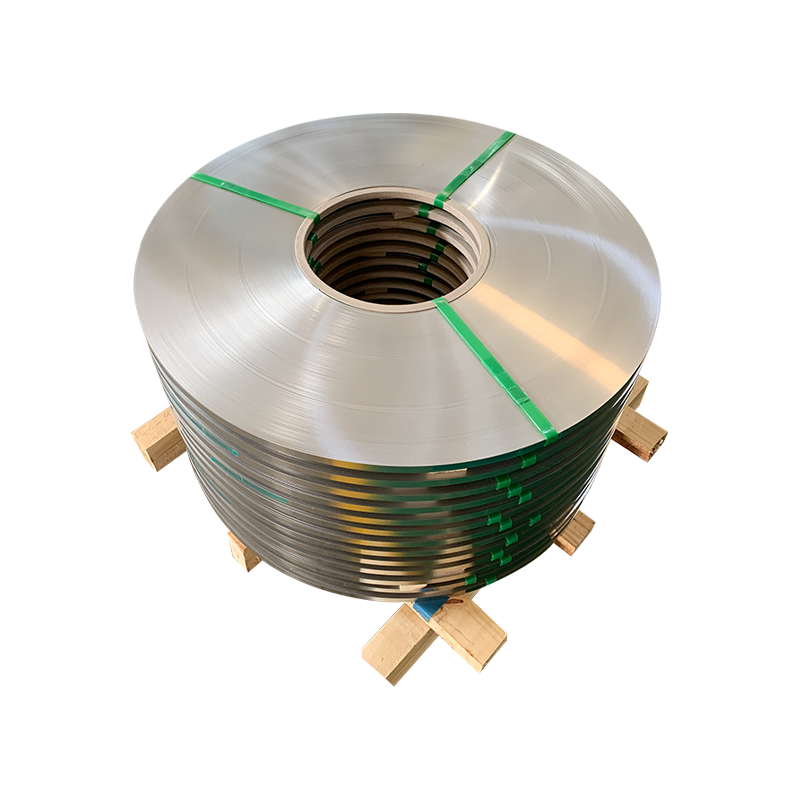
202 stainless steel is an austenitic grade that belongs to the 200 series of stainless steel alloys, distinguished by its use of manganese and nitrogen to partially replace nickel while maintaining a similar austenitic crystal structure to the more widely known 300 series grades. This composition allows manufacturers to produce a corrosion-resistant, formable steel at a lower material cost than nickel-heavy grades like 304, making 202 strips a popular choice for applications where budget constraints matter but basic corrosion resistance is still required.
When supplied in strip form, 202 stainless steel is typically rolled to precise thickness and width tolerances, making it suitable for further processing such as stamping, forming, or roll forming into finished components. This versatility, combined with its favorable cost profile, has made 202 strip a common material choice across kitchenware, architectural trim, and various consumer product applications.
Chemical Composition and Key Properties
The defining characteristic of 202 stainless steel lies in its alloy composition, which typically includes chromium in the range of 17 to 19 percent, manganese between 7.5 and 10 percent, nickel content reduced to around 4 to 6 percent, and controlled amounts of nitrogen to help stabilize the austenitic structure. This formulation gives the alloy reasonably good corrosion resistance, though generally less than 304 stainless steel, along with solid mechanical strength and good formability for cold working processes.
One notable property of 202 strip is its work-hardening behavior, meaning the material becomes stronger and harder as it undergoes cold forming operations like bending or deep drawing. This characteristic can be advantageous for applications requiring added rigidity after forming, but it also means manufacturers must carefully plan forming sequences to avoid cracking in components with complex geometries.
Comparing 202 Stainless Steel to Other Common Grades
Understanding how 202 compares to other frequently used stainless steel grades helps buyers determine whether it fits their specific application requirements. The table below highlights key differences.
GradeNickel ContentCorrosion ResistanceRelative Cost2024-6%ModerateLower3048-10.5%HighHigher2013.5-5.5%Lower than 202Lowest31610-14%Very HighHighest
This comparison illustrates why 202 is often positioned as a mid-range option, offering better corrosion resistance than 201 while remaining significantly more affordable than higher-nickel grades like 304 or 316.
Common Applications for 202 Stainless Steel Strips
202 stainless steel strip is used across a variety of industries where moderate corrosion resistance and cost efficiency are both important considerations:
- Kitchen utensils, sinks, and cookware components exposed to regular moisture
- Automotive trim pieces and decorative interior fittings
- Furniture hardware, including hinges, brackets, and decorative accents
- Architectural trim and signage for indoor or sheltered outdoor use
- Household appliance panels and housings
These applications generally involve indoor environments or limited outdoor exposure, where the corrosion resistance of 202 is sufficient without requiring the added cost of higher-nickel alternatives.
Factors to Evaluate Before Selecting 202 Strip
Environmental Exposure
Because 202 offers less corrosion resistance than 304 or 316, it is generally not recommended for applications involving prolonged exposure to saltwater, harsh chemicals, or consistently humid outdoor environments. Buyers should carefully assess the intended operating environment before committing to this grade for long-term outdoor or marine applications.
Forming and Fabrication Requirements
Given its work-hardening tendency, components requiring extensive deep drawing or complex multi-stage forming may benefit from intermediate annealing steps to restore ductility and prevent cracking during production. Fabricators should account for this characteristic when planning tooling and process parameters.
Surface Finish Requirements
202 strip is available in various surface finishes, including 2B, No. 4 brushed, and mirror-polished options. The appropriate finish depends on both the aesthetic requirements of the final product and the level of surface protection needed against fingerprints, scratches, or environmental exposure during use.
Quality Considerations When Sourcing 202 Strip
When purchasing 202 stainless steel strip, buyers should request mill test certificates confirming the exact chemical composition and mechanical properties of each production batch, since variations between suppliers can affect both formability and corrosion performance. Dimensional tolerance verification is also important, particularly for high-precision stamping or roll-forming applications where even small thickness inconsistencies can lead to production defects.
Reputable suppliers should also be able to provide documentation regarding surface quality inspection processes, ensuring the strip is free from significant defects such as pitting, scratches, or inclusions that could compromise both appearance and structural performance in the finished product.
Storage and Handling Best Practices
Proper storage helps preserve the surface quality and mechanical properties of 202 stainless steel strip before processing. Coils and sheets should be stored in a dry, covered environment to prevent surface staining or corrosion from moisture exposure, particularly in humid climates. Using appropriate protective packaging, such as interleaving paper or plastic film, further reduces the risk of surface scratches during transportation and handling.
During fabrication, using clean, dedicated tooling for stainless steel processing helps prevent cross-contamination from carbon steel particles, which can embed in the surface and cause localized rust spots that compromise the material's overall corrosion resistance over time.
 Previous


