


 English
 русский

Content
- 1 What Makes 309S Stainless Steel Strips Different from Other Grades?
- 2 Key Chemical Composition and Mechanical Properties
- 3 Industrial Applications Where 309S Stainless Steel Strips Excel
- 4 Available Specifications and Dimensions for 309S Strips
- 5 How to Fabricate and Weld 309S Stainless Steel Strips Correctly
- 6 Practical Tips for Sourcing and Evaluating 309S Stainless Steel Strips
- 7 Comparing 309S with Related Grades: When to Choose Each
What Makes 309S Stainless Steel Strips Different from Other Grades?
When selecting stainless steel strips for high-temperature or corrosive environments, the grade you choose can make or break the performance of your application. 309S stainless steel strips stand out from the crowd due to their exceptionally high chromium and nickel content — 23% chromium and 13.5% nickel — which gives them superior oxidation resistance and thermal stability compared to common grades like 304 or 316. The "S" designation indicates a low carbon variant, specifically designed to minimize carbide precipitation during welding and high-temperature exposure, making it the preferred choice for fabricators who need reliable performance without post-weld heat treatment.
This grade belongs to the austenitic family of stainless steels, which means it retains its non-magnetic structure across a wide temperature range. Unlike ferritic or martensitic grades, 309S does not harden through heat treatment, but instead derives its strength and toughness from its solid-solution alloying. This combination of properties makes 309S strips highly versatile and consistently reliable in demanding service conditions.
Key Chemical Composition and Mechanical Properties
Understanding the chemical makeup of 309S stainless steel strips is essential for engineers and procurement specialists who need to match materials to performance requirements. Below is a summary of the standard chemical composition and mechanical properties:
| Element / Property | Value / Range |
| Chromium (Cr) | 22.0% – 24.0% |
| Nickel (Ni) | 12.0% – 15.0% |
| Carbon (C) | ≤ 0.08% |
| Manganese (Mn) | ≤ 2.0% |
| Silicon (Si) | ≤ 1.0% |
| Tensile Strength | ≥ 515 MPa |
| Yield Strength (0.2%) | ≥ 205 MPa |
| Elongation | ≥ 40% |
| Max Service Temp (continuous) | 1095°C (2000°F) |
The low carbon content is particularly critical. In standard 309 steel, higher carbon levels can cause chromium carbide to form at grain boundaries when the metal is held between 425°C and 870°C — a phenomenon known as sensitization. The 309S variant eliminates this risk, making it safe to use in welded assemblies that will see sustained elevated temperatures without protective coatings or additional annealing processes.
Industrial Applications Where 309S Stainless Steel Strips Excel
309S stainless steel strips are deployed across a range of industries precisely because they maintain structural integrity and surface quality under conditions that would degrade lesser alloys. Their high chromium content forms a stable, dense oxide layer on the surface that resists spalling even through repeated heating and cooling cycles.
Furnace and Heat Treatment Equipment
One of the most demanding environments for any metallic material is inside industrial furnaces. 309S strips are used to fabricate furnace belts, radiant tubes, muffle liners, and conveyor components. The continuous operating temperature tolerance up to 1095°C means components made from 309S can function reliably in annealing furnaces, sintering ovens, and carburizing chambers without warping or scaling over extended service periods.
Automotive Exhaust and Catalytic Systems
Exhaust systems experience extreme thermal cycling — rapid heating during operation and rapid cooling when the engine is switched off. 309S stainless steel strips are used in flexible connectors, exhaust manifold liners, and heat shields. Their resistance to oxidation and thermal fatigue makes them far more durable than standard austenitic grades in these cyclic thermal environments.
Chemical Processing and Refinery Applications
In petroleum refining and chemical processing, equipment is exposed to both high temperatures and aggressive chemical environments. 309S strips are used in heat exchangers, reactor linings, and thermal barrier components where resistance to sulfur-bearing gases and oxidizing atmospheres is essential. The elevated nickel content improves resistance to stress corrosion cracking, which is a common failure mode in chemical plant equipment.
Power Generation and Boiler Components
Steam boilers and power plant components operate under sustained high-temperature conditions with exposure to steam, flue gases, and sulfurous combustion by-products. 309S stainless steel strips are used in economizers, superheater components, and flue gas desulfurization (FGD) systems. Their long service life under these conditions reduces maintenance downtime and total lifecycle cost compared to carbon steel alternatives.
Available Specifications and Dimensions for 309S Strips
309S stainless steel strips are manufactured in a wide range of thicknesses, widths, and surface finishes to meet the precise requirements of different applications. When sourcing these materials, buyers should be familiar with standard specifications to communicate requirements accurately with suppliers.
- Thickness range: Typically available from 0.1 mm (foil gauge) up to 3.0 mm for cold-rolled strips; hot-rolled strips can exceed this range.
- Width range: Standard slit widths range from 5 mm to 650 mm; custom slitting is commonly available from qualified service centers.
- Surface finishes: 2B (standard cold-rolled), No. 1 (hot-rolled and annealed), BA (bright annealed), and No. 4 (brushed) are the most frequently supplied finishes.
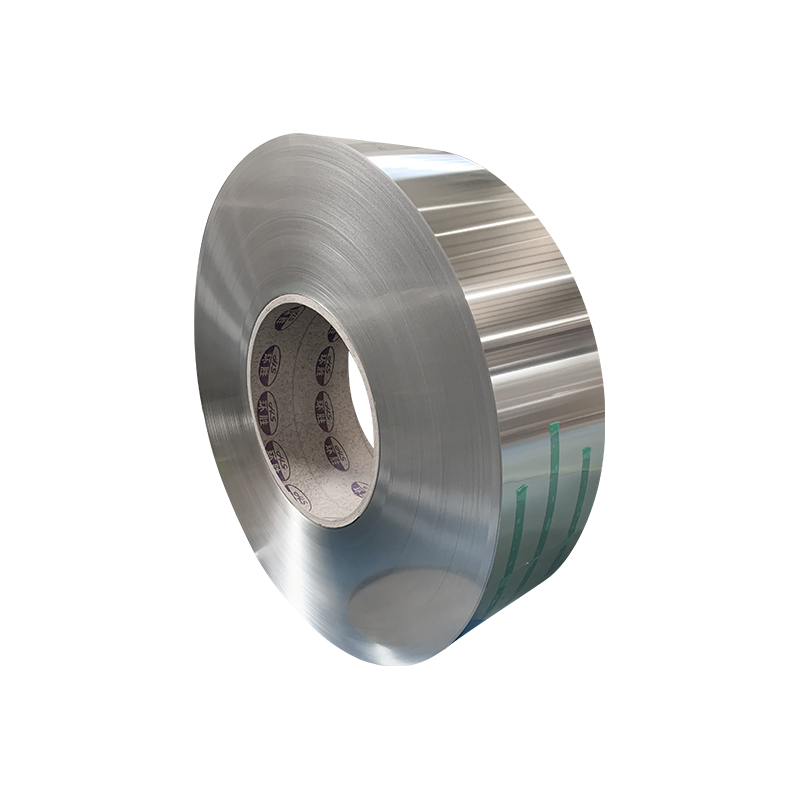
- Coil or cut lengths: Supplied in coil form for stamping and roll-forming operations, or as flat-cut lengths for fabrication and welding work.
- Applicable standards: ASTM A240, EN 10088-2, JIS G4305 are the primary international standards governing 309S strip production and testing.
Mill test certificates (MTCs) should always accompany shipments of 309S strips, confirming chemical composition, mechanical test results, and heat number traceability. This documentation is especially important for components used in pressure vessels or safety-critical assemblies where material certification is a regulatory requirement.
How to Fabricate and Weld 309S Stainless Steel Strips Correctly
309S stainless steel strips are considered highly weldable and can be processed using most standard fabrication methods. However, following best practices is essential to preserve corrosion resistance and avoid distortion during fabrication.
Welding Recommendations
TIG (GTAW) and MIG (GMAW) welding processes are both suitable for 309S. When welding 309S to itself, use ER309L filler wire, which matches the base metal chemistry and maintains the low carbon advantage. When using 309S as a buffer layer or cladding over carbon steel, the same ER309L filler is standard practice in the industry. Avoid post-weld heat treatment unless specifically required by engineering design, as the low carbon content already protects against sensitization.
Cutting and Forming
Plasma cutting and laser cutting are the preferred methods for precision cutting of 309S strips. Mechanical shearing is suitable for thinner gauges. When cold forming, note that 309S work-hardens more rapidly than carbon steel, so intermediate annealing may be required for severe bending operations. Tooling should be kept clean and sharp to minimize surface scratching and contamination from iron particles, which can initiate corrosion.
Practical Tips for Sourcing and Evaluating 309S Stainless Steel Strips
Procurement decisions for 309S stainless steel strips should go beyond price comparison. Material quality, supplier reliability, and documentation standards all directly affect the performance and safety of the final application. Here are the key factors to evaluate when sourcing:
- Verify mill certification: Always request EN 10204 3.1 or 3.2 mill test certificates that confirm actual heat chemistry and mechanical test results, not just nominal specification ranges.
- Check thickness tolerance: Tight thickness tolerances (e.g., ±0.01 mm) are critical for precision stamped or roll-formed components. Confirm the supplier's tolerance capability before ordering.
- Inspect surface quality: Strips intended for high-temperature service should be free from scale, pits, or edge cracks that could act as stress concentration points during thermal cycling.
- Confirm carbon content: Request specific carbon analysis results to confirm the "S" (low carbon) designation is met. Some suppliers may substitute standard 309 material without clear disclosure.
- Evaluate minimum order quantities: For specialty widths or thicknesses, some mills require minimum order quantities. Working with a certified service center can provide flexibility for smaller volume requirements.
Building a relationship with a reliable distributor or mill that specializes in high-temperature stainless grades will save significant time and cost over the long term. Consistent material quality reduces rework, warranty claims, and field failures — benefits that far outweigh the marginal cost premium of sourcing from a reputable supplier versus the lowest bidder.
Comparing 309S with Related Grades: When to Choose Each
Buyers sometimes face a choice between 309S and related grades such as 310S, 316L, or 321. Each has specific advantages depending on the application conditions:
| Grade | Max Temp | Best For |
| 309S | 1095°C | Furnace parts, exhaust systems, transition welds |
| 310S | 1150°C | Extreme heat, kiln furniture, radiant tubes |
| 316L | 870°C | Marine, pharmaceutical, chloride environments |
| 321 | 870°C | Aerospace, welded assemblies in mid-range temps |
309S is the most cost-effective choice for applications operating between 800°C and 1095°C where oxidation resistance and weldability are the primary requirements. For temperatures consistently above 1095°C, stepping up to 310S is advisable despite its higher cost. For aqueous corrosion environments at moderate temperatures, 316L or 2205 duplex grades are more appropriate selections.
 Previous


