


 English
 русский

Content
Steel is often described as an alloy of iron and carbon, but that description only scratches the surface. In a precision manufacturing setting, the elements of steel decide whether a strip can be rolled down to a few hundredths of a millimeter, whether a weld will hold, and whether the final part will survive decades of vibration or contact with chemicals. Our team at WuXi Huansheng works with cold-rolled stainless steel strip on a daily basis, and the starting point for every project is understanding what each element brings to the alloy.
The Base Elements of Steel: Iron and Carbon
The foundation of every steel grade is iron. Iron ore is reduced and refined into a metallic base that typically makes up around 98 percent of the finished steel, depending on the grade. Iron provides the body, the weight, and the basic mechanical structure, but it is only the starting point.
Carbon is the most important alloying element in ordinary steel. Even a small change in carbon content has a large effect on hardness, strength, and ductility. Steel usually contains between about 0.02 and 2.1 percent carbon. Low-carbon steel is softer and easier to form, while higher-carbon steel becomes harder and stronger but less ductile. That simple relationship is the first decision point in material selection, and it is also why carbon is often called the control knob of steel.
The Alloying Elements That Change Steel
Iron and carbon can make a basic steel, but modern industry demands more. Alloying elements change the microstructure, enhance corrosion resistance, improve machinability, or allow the steel to handle high temperatures. Some elements are added deliberately; others are impurities that must be controlled as tightly as possible.
| Element | Typical range in steel (wt%) | Main contribution |
|---|---|---|
| Carbon | 0.02–2.1 | Hardness and strength; increases hardenability |
| Manganese | 0.30–1.50 | Strength and toughness; deoxidizer; controls sulfur |
| Silicon | 0.15–2.00 | Deoxidizer; strength; magnetic properties |
| Chromium | 0.50–26.00 | Corrosion resistance; hardenability; high-temperature resistance |
| Nickel | 0.50–22.00 | Toughness; corrosion resistance; austenite stability |
| Molybdenum | 0.20–4.00 | High-temperature strength; pitting and chloride corrosion resistance |
| Phosphorus | 0.01–0.05 | Strengthens; usually limited because it can reduce ductility |
| Sulfur | 0.005–0.05 | Improves machinability in free-machining steel; usually an impurity |
Phosphorus and sulfur deserve special mention because they are often treated as impurities. A tiny amount can improve strength or machinability, but too much causes brittleness and cracking. Steelmakers control these elements carefully during melting. In stainless steel strip production, the same discipline continues through rolling and annealing because final properties depend on chemistry as well as cold work.
What Turns Steel Into Stainless Steel?
The word stainless does not mean the metal can never stain. It means the steel contains enough chromium to form a thin, protective chromium-oxide layer on the surface. At least about 10.5 percent chromium is the conventional threshold. This self-healing film is what gives stainless steel its resistance to rust and many chemicals.
Nickel often joins chromium to stabilize the austenitic structure, which gives familiar 300-series stainless steels their combination of formability and toughness. Molybdenum is added to certain grades, such as 316L, to improve resistance to chlorides and pitting. Lower-carbon variants like 304L and 316L reduce chromium carbide precipitation during welding, helping to preserve corrosion resistance in fabricated components.
From Elements to Engineering Grades
Once you understand the elements of steel, standard grades become easier to read. For example, 301 stainless steel contains moderate chromium and nickel, but its austenitic structure work-hardens quickly, making it well suited for springs, cylinder gaskets, and textile reeds. 304 is the general-purpose grade widely used in stamping, corrugated pipe, and medical needle strip because it balances formability, corrosion resistance, and economy. 316L adds molybdenum and lowers carbon, so it is a common choice for chemical filler, medical devices, kettles, and optical cable grounding in challenging environments.
Our product range includes many cold-rolled stainless steel strip grades. The following three examples show how specific element combinations are turned into workable strip products:
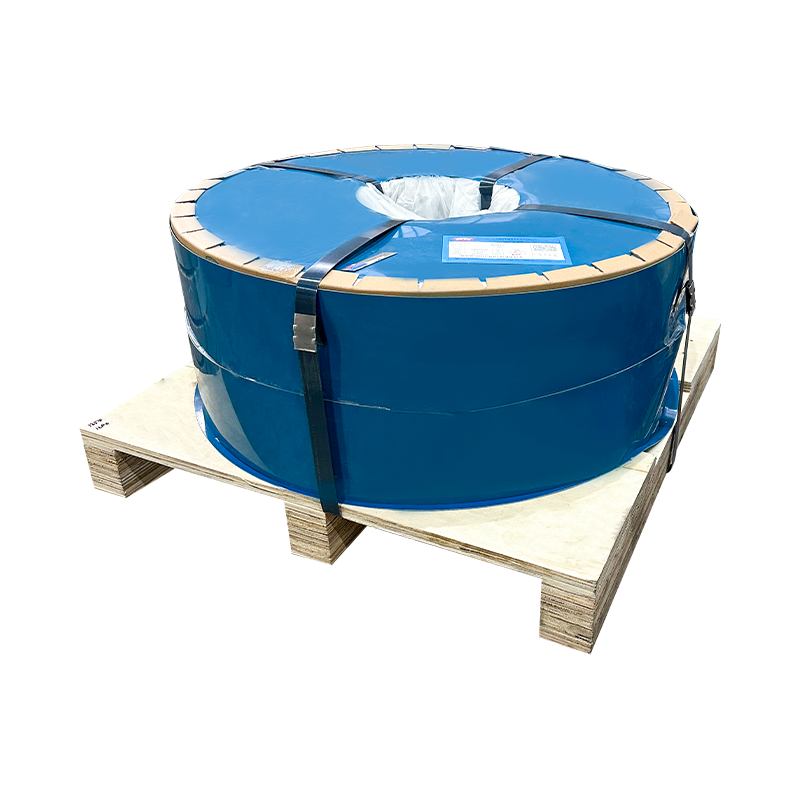 301 Cold Rolled Stainless Steel Strip for Springs and Elastic ComponentsThis high-strength austenitic strip is engineered for applications requiring elasticity and corrosion resistance, such as springs, shrapnel, and precision instrument parts. Its cold-work hardening behavior directly supports the alloy selection decisions discussed here.View Product →
 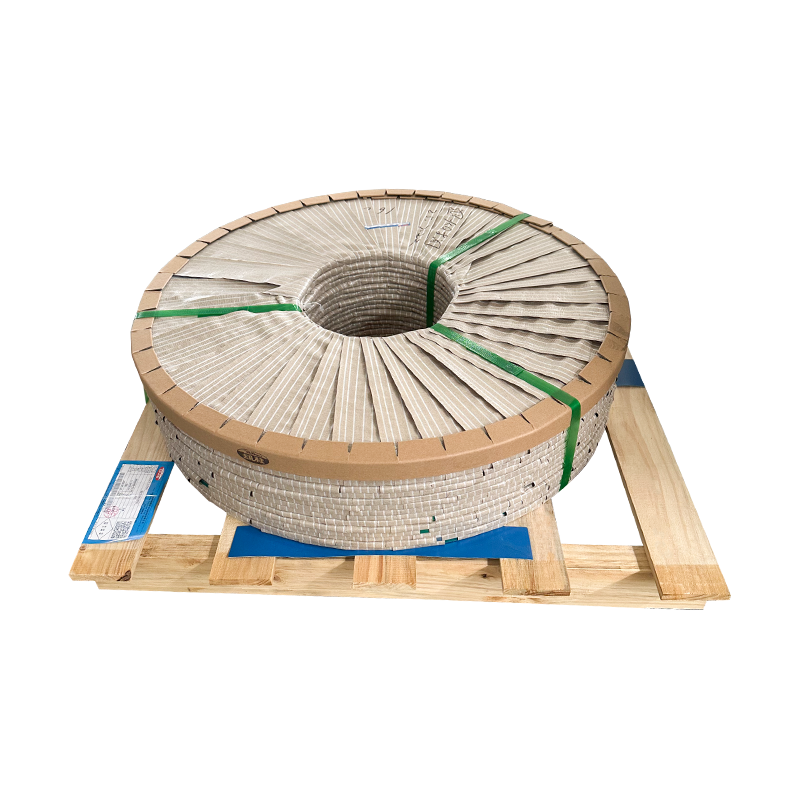 304 Cold Rolled Stainless Steel Strip for General Fabrication and StampingAs a widely used 18-8 austenitic grade, this strip offers balanced corrosion resistance, formability, and surface finish options. It suits stamped parts, corrugated pipes, and optical cable applications, making it a versatile choice when processing and durability are both priorities.View Product →
 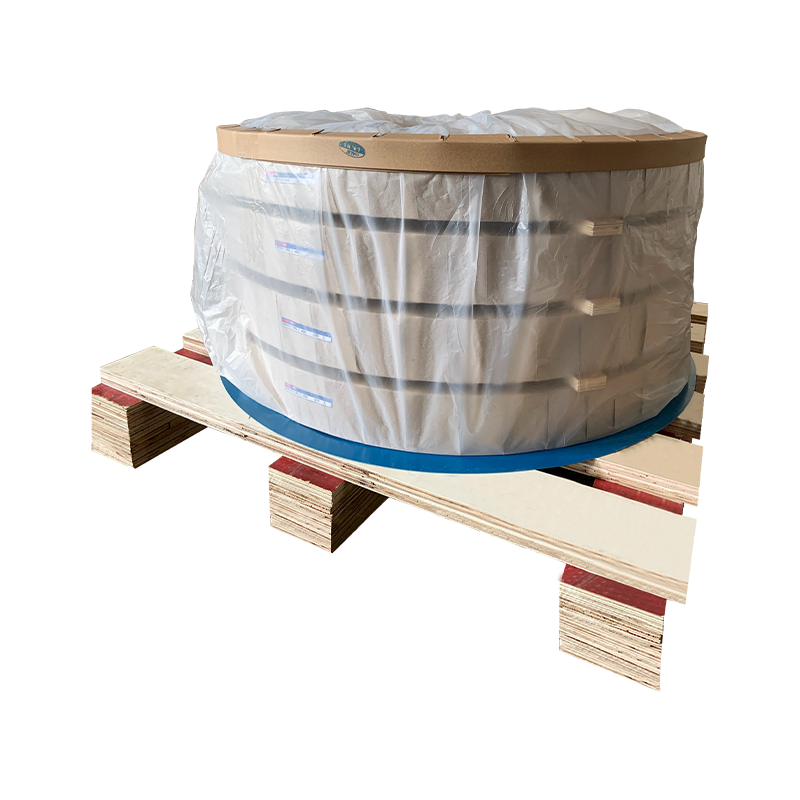 316L Cold Rolled Stainless Steel Strip for Highly Corrosive EnvironmentsThis ultra-low-carbon grade with added molybdenum provides superior resistance to chlorides, pitting, and crevice corrosion. It is especially relevant for marine, chemical, and medical applications where long-term stability in aggressive media is essential.View Product →
The Precision Strip Connection
The elements of steel do not finish their job in the melt shop. As the material is cold-rolled, annealed, and slit, its chemistry controls how the strip responds to every deformation. A strip that is too hard may crack in a bending operation. A strip with too little corrosion resistance may fail before the product reaches its intended service life. That is why precise alloy selection matters as much as precise dimensions.
At WuXi Huansheng, we focus on cold-rolled stainless steel strip from about 0.03 mm to 3.0 mm thick, with a maximum width of 550 mm. Over the years, we have processed grades used in automotive metal bellows, optical cable OPGW, hypodermic needle strip, chemical fillers, and many other demanding applications. With an annual capacity of up to 72,000 tonnes, our production team is used to balancing alloy chemistry with process control.
The growing interest in precision cold-rolled stainless steel strip reflects how much downstream engineers value the relationship between composition and performance. If you want to learn more about our mill and quality approach, you can start on our stainless steel strip solution page.
In the end, steel is an exercise in balance. Too much of one element can solve one problem but create another. Get the elements right, and the final strip feels inevitable—strong where it needs to be strong, corrosion-resistant where that matters, and precise enough to become a needle, a bellows, or a cable component.
 Previous


