


 English
 русский

Content
- 1 Understanding 301 Stainless Steel Composition
- 2 The Cold Rolling Process and Temper Grades
- 3 Why 301 Cold Rolled Strip Excels in Spring Manufacturing
- 4 Common Applications of 301 Stainless Steel Spring Strip
- 5 Key Factors to Consider When Selecting 301 Strip
- 6 Final Thoughts on Choosing 301 Cold Rolled Strip for Springs
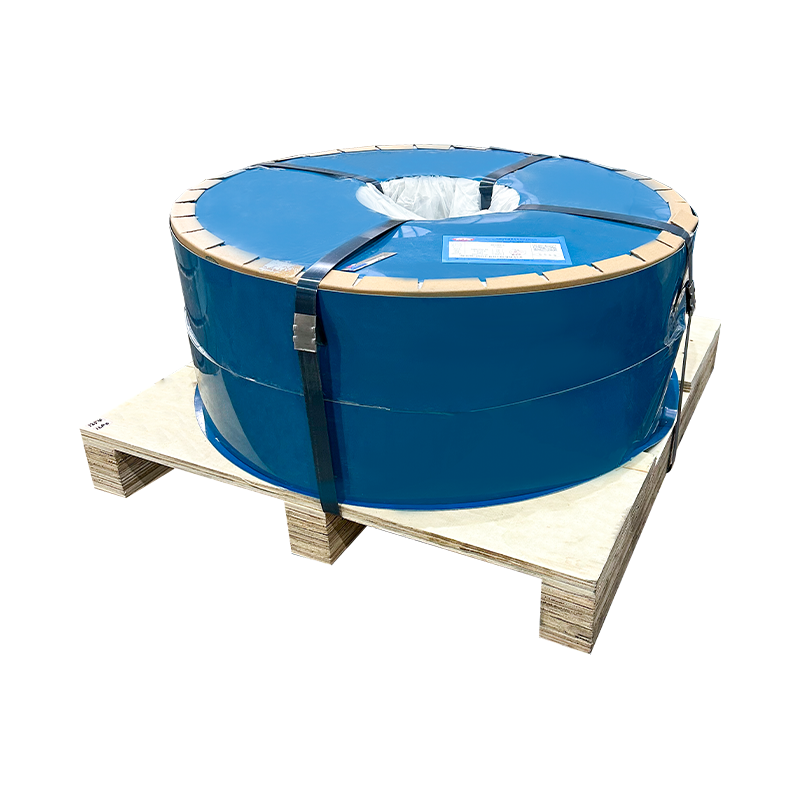
301 stainless steel strips have become a preferred material choice across industries that demand a combination of strength, elasticity, and corrosion resistance. Among the many grades of stainless steel available, 301 stands out for its ability to work-harden significantly during cold rolling, which makes it exceptionally suited for spring manufacturing. This article explores the properties, production process, and practical applications of 301 cold rolled stainless steel strip for spring, offering guidance for engineers, procurement teams, and manufacturers evaluating this material for their projects.
Understanding 301 Stainless Steel Composition
301 stainless steel is an austenitic chromium-nickel alloy known for its low nickel content compared to grades like 304. This composition gives it a unique advantage: it work-hardens rapidly when cold worked, increasing both tensile strength and hardness while the material is being rolled into thin strips. The typical chemical composition includes approximately 16-18% chromium, 6-8% nickel, and controlled amounts of carbon, manganese, and silicon, all of which contribute to a balance between formability and strength.
Because of this work-hardening behavior, manufacturers can precisely control the mechanical properties of 301 strips by adjusting the degree of cold reduction applied during processing. This tunability is one of the primary reasons the grade is favored for spring components, where specific strength-to-flexibility ratios are required.
The Cold Rolling Process and Temper Grades
Cold rolling involves passing the steel strip through a series of rollers at room temperature, progressively reducing its thickness while increasing its strength through strain hardening. Unlike hot rolling, which softens the metal, cold rolling produces a smoother surface finish, tighter dimensional tolerances, and improved mechanical properties, all of which are essential for spring applications where consistency and precision matter.
During cold rolling, 301 stainless steel strip is typically produced in several standard tempers, each representing a different level of cold work and corresponding strength. The table below summarizes the common tempers used in spring manufacturing.
| Temper | Tensile Strength (MPa) | Typical Application |
| 1/4 Hard | 860-1100 | Light forming parts |
| 1/2 Hard | 1000-1275 | Moderate strength springs |
| Full Hard | 1275-1550 | High-tension springs |
| Extra Hard | 1550-1900 | Precision flat springs |
Selecting the correct temper is critical, as it directly determines the spring's fatigue resistance, load-bearing capacity, and overall service life. Manufacturers often work closely with material suppliers to identify the ideal temper based on the specific loading conditions of the spring in use.
Why 301 Cold Rolled Strip Excels in Spring Manufacturing
Superior Strength-to-Weight Ratio
One of the most valued characteristics of 301 cold rolled stainless steel strip is its exceptional strength-to-weight ratio. Springs made from this material can achieve high load capacities while remaining thin and lightweight, which is particularly important in industries such as electronics, automotive, and precision instruments where space and weight constraints are common.
Excellent Fatigue Resistance
Springs undergo repeated cycles of compression, tension, or bending throughout their operational life. The work-hardened microstructure of cold rolled 301 strip provides strong resistance to fatigue failure, allowing springs to maintain consistent performance over extended periods without losing their elastic properties.
Corrosion Resistance in Demanding Environments
As an austenitic stainless steel, 301 retains a reasonable degree of corrosion resistance even after significant cold working. While it is slightly less corrosion resistant than 304 due to its lower nickel content, it still performs well in most industrial and consumer applications, particularly when combined with proper surface finishing or passivation treatments.
Common Applications of 301 Stainless Steel Spring Strip
The versatility of 301 cold rolled strip has led to its adoption across a wide range of industries. Some of the most common applications include:
- Flat springs and clip springs used in connectors and electronic housings
- Battery contact springs in consumer electronics
- Automotive seat belt retractor springs and clamps
- Precision measuring instrument components
- Medical device springs requiring biocompatibility and hygiene
- Household appliance components such as switch springs and latches
Key Factors to Consider When Selecting 301 Strip
Thickness and Width Tolerances
Precision spring manufacturing requires tight dimensional control. When sourcing 301 cold rolled strip, buyers should confirm thickness tolerances, typically measured in microns, as even small deviations can affect spring rate and performance consistency across production batches.
Surface Finish Requirements
Surface finish affects both the aesthetic quality and functional performance of a spring. Bright annealed, matte, or polished finishes are available depending on the application, with smoother finishes often preferred for parts that require reduced friction or improved corrosion resistance.
Supplier Quality Certification
Working with suppliers who provide material certification, including mechanical test reports and chemical composition data, helps ensure the strip meets the mechanical property requirements needed for reliable spring performance. This is especially important for industries with strict regulatory or quality standards, such as automotive and medical manufacturing.
Final Thoughts on Choosing 301 Cold Rolled Strip for Springs
301 cold rolled stainless steel strip remains one of the most reliable materials for spring manufacturing due to its unique combination of tunable strength, fatigue resistance, and corrosion protection. By understanding the available tempers, mechanical properties, and application-specific requirements, manufacturers can make informed decisions that improve product durability and performance. Partnering with an experienced supplier who understands both the metallurgical properties and manufacturing tolerances of this grade is essential for achieving consistent, high-quality spring components across any industry.
 Previous


