


 English
 русский

Content
- 1 Understanding the Composition of 304 Stainless Steel
- 2 Key Mechanical and Physical Properties
- 3 Common Strip Dimensions and Finishes
- 4 Common Applications of 304 Stainless Steel Strips
- 5 Comparing 304 Stainless Steel to Other Common Grades
- 6 Factors to Consider When Purchasing 304 Stainless Steel Strips
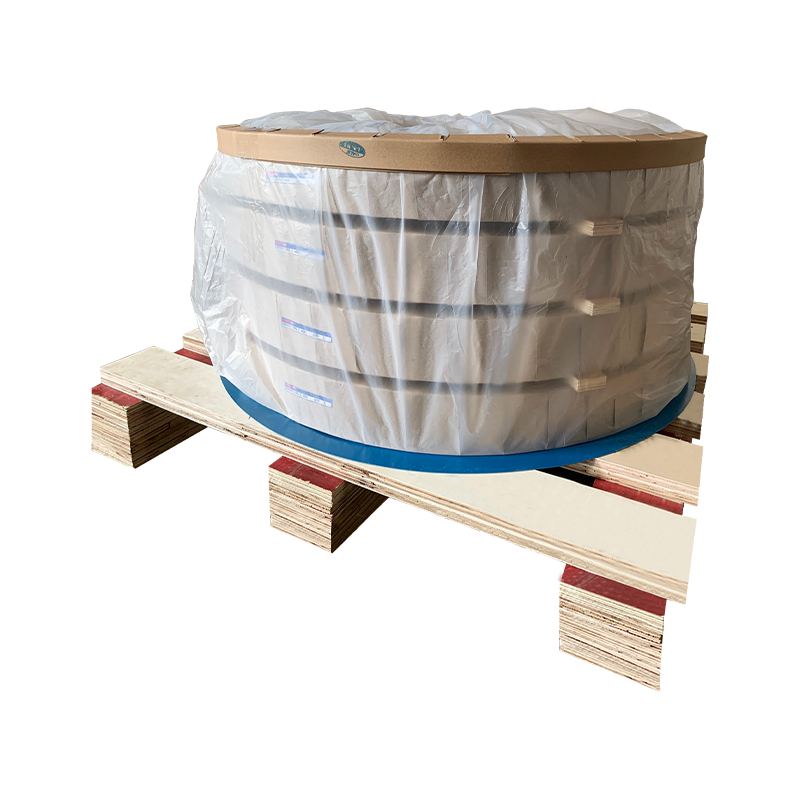
304 stainless steel strips are among the most widely used metal products in manufacturing, construction, and industrial fabrication. Known for their corrosion resistance, formability, and cost-effectiveness compared to higher alloy grades, 304 stainless steel strips serve a broad range of applications across multiple industries. This article examines the composition and properties of 304 stainless steel, common strip specifications, typical applications, and key factors to consider when selecting strips for a specific project.
Understanding the Composition of 304 Stainless Steel
304 stainless steel is an austenitic chromium-nickel alloy, typically containing approximately 18 percent chromium and 8 percent nickel, along with small amounts of carbon, manganese, and silicon. This composition is often referred to as 18-8 stainless steel due to its chromium and nickel content. The chromium forms a passive oxide layer on the surface of the metal, which provides excellent resistance to rust and corrosion, while the nickel content contributes to the alloy's ductility and toughness.
Because 304 stainless steel does not contain molybdenum, it offers slightly lower resistance to chloride-induced pitting corrosion compared to 316 stainless steel. However, for most general-purpose applications that do not involve highly corrosive or marine environments, 304 stainless steel strips provide more than adequate performance at a lower material cost.
Key Mechanical and Physical Properties
304 stainless steel strips offer a balance of strength, ductility, and workability that makes them suitable for a wide range of fabrication processes. Understanding these properties helps engineers and buyers determine whether this grade meets the requirements of their specific application.
- Corrosion resistance: The chromium oxide layer provides strong resistance to oxidation and rust in most atmospheric and mild chemical environments.
- Formability: 304 stainless steel strips can be bent, stamped, and drawn into complex shapes without cracking, making them ideal for fabricated components.
- Weldability: This grade welds well using common methods such as TIG and MIG welding, without requiring post-weld heat treatment in most applications.
- Temperature resistance: 304 stainless steel maintains structural integrity across a wide temperature range, performing well in both moderately high and low temperature environments.
- Non-magnetic properties: In its annealed state, 304 stainless steel is generally non-magnetic, though slight magnetism can develop after cold working.
Common Strip Dimensions and Finishes
304 stainless steel strips are available in various thicknesses, widths, and surface finishes to accommodate different manufacturing needs. Selecting the correct dimensions and finish is essential for ensuring compatibility with downstream fabrication processes.
| Finish Type | Surface Appearance | Common Use |
| 2B Finish | Smooth, dull | General fabrication |
| BA Finish | Bright, reflective | Appliances and decorative parts |
| No. 4 Finish | Brushed | Architectural and kitchen equipment |
| Mirror Finish | Highly polished | Decorative trim and consumer products |
Strip thickness commonly ranges from thin gauges used in precision components to thicker strips used in structural or heavy-duty applications. Buyers should confirm exact thickness tolerances with suppliers, as slight variations can affect fit and performance in precision manufacturing processes.
Common Applications of 304 Stainless Steel Strips
Due to their favorable balance of properties, 304 stainless steel strips are used across numerous industries for both structural and decorative purposes.
Food and Beverage Equipment
304 stainless steel strips are frequently used in the fabrication of food processing equipment, kitchen appliances, and food-grade containers due to their resistance to corrosion from moisture and mild acidic exposure, along with their ease of cleaning and sanitation.
Automotive Components
In the automotive industry, 304 stainless steel strips are used to manufacture trim components, exhaust system parts, and various structural fittings that require corrosion resistance and moderate strength without the added cost of higher alloy grades.
Architectural and Construction Uses
Architects and builders often specify 304 stainless steel strips for decorative trim, handrails, and cladding elements due to their attractive finish options and long-term durability in most outdoor and indoor environments.
Electrical and Appliance Manufacturing
304 stainless steel strips are also used in electrical enclosures, appliance housings, and various small components where corrosion resistance and a clean surface finish are important for both function and appearance.
Comparing 304 Stainless Steel to Other Common Grades
When selecting stainless steel strips, it can be useful to compare 304 stainless steel against other commonly available grades to determine the most suitable option for a given application.
| Grade | Key Characteristic | Best Suited For |
| 304 | Good general corrosion resistance | General fabrication and food equipment |
| 316 | Enhanced chloride resistance | Marine and chemical environments |
| 430 | Lower cost, magnetic | Decorative and mild-use applications |
Factors to Consider When Purchasing 304 Stainless Steel Strips
Selecting the right supplier and product specifications is essential for ensuring that 304 stainless steel strips meet the performance requirements of a project.
- Material certification: Confirm that the supplier provides mill test certificates verifying chemical composition and mechanical properties.
- Thickness tolerance: Verify that thickness tolerances align with the precision requirements of the intended application.
- Surface finish options: Ensure the supplier offers the specific finish needed, whether for functional or aesthetic purposes.
- Coil or strip length availability: Confirm the supplier can provide the required lengths or coil weights to match production needs.
- Delivery and lead time: Evaluate supplier reliability regarding consistent delivery schedules, particularly for ongoing production requirements.
Working with an experienced supplier that understands industry-specific requirements can help ensure that the selected 304 stainless steel strips perform reliably throughout the intended service life of the finished product.
304 stainless steel strips remain a versatile and cost-effective material choice across numerous industries due to their strong corrosion resistance, excellent formability, and reliable mechanical properties. By understanding composition, available finishes, and key purchasing considerations, engineers and buyers can select the right strip specifications to meet the performance and budget requirements of their specific application.
 Previous


