


 English
 русский

Content
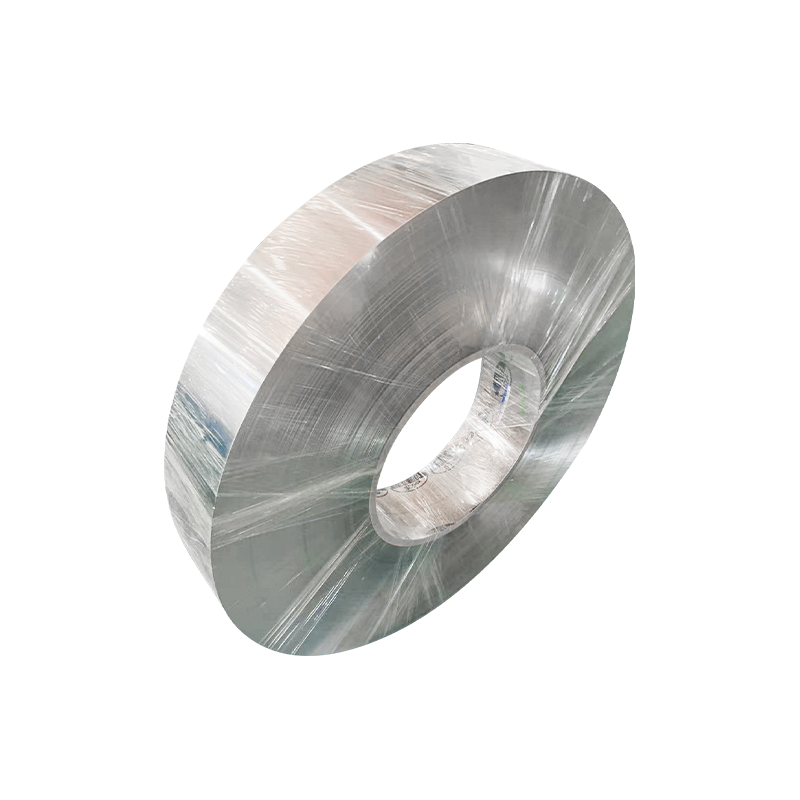
309S stainless steel strips represent a specialized austenitic stainless steel grade designed specifically for high-temperature applications. The "S" designation indicates a lower carbon content compared to standard 309 grade, which enhances its resistance to carbide precipitation and intergranular corrosion. This material contains approximately 22-24% chromium and 12-15% nickel, providing exceptional oxidation resistance and structural stability at elevated temperatures ranging from 1000°F to 2000°F (538°C to 1093°C).
The chemical composition of 309S stainless steel strips is carefully balanced to deliver superior performance in demanding environments. With a maximum carbon content of 0.08%, this alloy maintains excellent weldability while preventing sensitization during thermal cycling. The high chromium content forms a protective oxide layer that shields the base metal from oxidation, while the nickel component ensures austenitic structure retention even under extreme thermal stress. Additional elements such as manganese, silicon, and trace amounts of phosphorus and sulfur contribute to the overall mechanical properties and fabrication characteristics.
Physical and mechanical properties of 309S strips make them particularly suitable for strip applications where flexibility, formability, and precise dimensional control are required. These strips typically exhibit a tensile strength of 75-95 ksi (515-655 MPa) in annealed condition, with excellent ductility allowing for complex forming operations. The thermal expansion coefficient of approximately 14.4 x 10⁻⁶ /°C ensures predictable dimensional behavior during heating and cooling cycles, which is critical for maintaining tight tolerances in fabricated components.
Primary Industrial Applications of 309S Stainless Steel Strips
Furnace and heat treatment equipment manufacturers extensively utilize 309S stainless steel strips for constructing critical components that must withstand continuous exposure to elevated temperatures. These strips are fabricated into furnace linings, radiant tubes, burner components, heat exchanger elements, and thermal processing equipment. The material's ability to maintain structural integrity while resisting scaling and oxidation makes it indispensable in industrial heating applications where equipment longevity and operational reliability are paramount.
The petrochemical and refining industries deploy 309S strips in various high-temperature processing applications. These include reformer tubes, cracking furnace components, catalyst support structures, and thermal oxidizer systems. The strips' resistance to sulfidation and carburization in hydrocarbon-rich atmospheres provides extended service life compared to lower-grade alloys. Additionally, the material's compatibility with both oxidizing and mildly reducing atmospheres makes it versatile for different process conditions encountered in petroleum refining and chemical production.
Power generation facilities incorporate 309S stainless steel strips in both conventional and renewable energy systems. In coal-fired and biomass power plants, these strips form components for boiler systems, superheater tubes, and emission control equipment where high-temperature flue gases create challenging operating conditions. The material's thermal cycling resistance prevents premature failure from repeated startup and shutdown sequences, reducing maintenance costs and improving plant availability.
Advantages Over Alternative Materials
When compared to standard 304 or 316 stainless steel grades, 309S strips offer significantly superior high-temperature performance. The enhanced chromium and nickel content provides approximately 200°F (93°C) higher continuous service temperature capability, allowing equipment designers to push operational limits or provide greater safety margins. This temperature advantage translates to improved process efficiency, reduced cooling requirements, and extended equipment service intervals in demanding applications.
Cost-effectiveness emerges as a key advantage when evaluating 309S strips against more exotic high-temperature alloys. While materials like Inconel or Hastelloy offer even higher temperature capabilities, 309S provides an optimal balance between performance and cost for applications within its temperature range. The widespread availability of 309S strips, established fabrication techniques, and lower raw material costs make it an economically attractive solution for many industrial applications. Furthermore, the material's excellent weldability using standard processes reduces fabrication complexity and associated labor costs.
The fabrication versatility of 309S stainless steel strips enables manufacturers to produce complex components through various forming processes. These strips can be readily subjected to stamping, bending, roll forming, and deep drawing operations while maintaining dimensional accuracy and surface integrity. The material's work hardening characteristics are manageable, allowing for multi-stage forming without intermediate annealing in many applications. This processability advantage reduces manufacturing cycle times and enables cost-effective production of intricate geometries required in modern high-temperature equipment.
Selection Criteria and Specifications
Selecting appropriate 309S stainless steel strips requires careful consideration of several technical parameters and application-specific requirements. The following factors should guide the selection process:
- Thickness tolerances matching the precision requirements of the final application, typically ranging from 0.005 inches to 0.125 inches with tolerances as tight as ±0.001 inches
- Surface finish specifications including 2B (cold rolled, annealed, pickled), BA (bright annealed), or polished finishes depending on aesthetic and functional requirements
- Edge condition requirements such as slit edges, deburred edges, or rounded edges based on handling safety and subsequent processing needs
- Temper designation selecting between annealed (soft) condition for maximum formability or various degrees of cold work for enhanced strength properties
- Width and length dimensions optimized to minimize material waste and align with manufacturing equipment capabilities
Industry standards and specifications provide essential guidance for quality assurance and material verification. ASTM A240 serves as the primary specification for chromium and chromium-nickel stainless steel plate, sheet, and strip for pressure vessels and general applications, while ASTM A666 specifically addresses austenitic stainless steel sheet, strip, plate, and flat bar. Compliance with these standards ensures consistent material properties, chemical composition, and mechanical performance across different suppliers and production lots.
| Property | Specification | Typical Value |
| Carbon Content | Max 0.08% | 0.04-0.06% |
| Chromium Content | 22.0-24.0% | 23.0% |
| Nickel Content | 12.0-15.0% | 13.5% |
| Tensile Strength | 75 ksi min | 85 ksi |
| Yield Strength | 30 ksi min | 40 ksi |
| Elongation | 40% min | 45-50% |
Fabrication and Processing Considerations
Successful fabrication of 309S stainless steel strips requires understanding the material's unique processing characteristics. Cold forming operations should account for the material's work hardening tendency, which is more pronounced than in lower-nickel austenitic grades. Tooling selection and lubrication strategies must be optimized to prevent galling and achieve desired surface finish. For complex forming operations, stress-relief annealing between stages may be necessary to restore ductility and prevent cracking.
Welding 309S strips demands attention to heat input control and filler metal selection. The low carbon content minimizes sensitization risk, but proper welding procedures prevent excessive grain growth and maintain corrosion resistance. Gas tungsten arc welding (GTAW) and gas metal arc welding (GMAW) are commonly employed, using ER309L or ER309LMo filler metals depending on service requirements. Shielding gas selection, typically argon or argon-helium mixtures, protects the weld zone from atmospheric contamination.
Surface Preparation and Finishing
Surface condition significantly impacts the high-temperature oxidation resistance and overall performance of 309S strips. Clean, oxide-free surfaces promote uniform protective oxide layer formation during initial high-temperature exposure. Pickling and passivation treatments remove mill scale, heat tint, and embedded iron contamination that could compromise corrosion resistance. For critical applications, electropolishing provides superior surface finish and enhanced resistance to fouling in high-temperature environments.
Mechanical finishing operations such as grinding, buffing, or polishing can achieve specific aesthetic or functional surface requirements. However, these processes must be performed carefully to avoid surface contamination with tool particles or work hardening that could affect subsequent forming operations. Proper cleaning following mechanical finishing removes residual lubricants and particulates that might cause operational issues at elevated temperatures.
Quality Control and Testing Methods
Comprehensive quality control protocols ensure 309S stainless steel strips meet specified requirements and perform reliably in service. Chemical composition verification through optical emission spectroscopy or X-ray fluorescence analysis confirms alloy content compliance with applicable standards. Mechanical property testing, including tensile tests, hardness measurements, and bend tests, validates material strength and ductility characteristics essential for forming and service performance.
Dimensional inspection using precision measuring equipment verifies thickness uniformity, width accuracy, and flatness within specified tolerances. Surface quality assessment employs visual inspection and specialized techniques such as dye penetrant testing or magnetic particle inspection to detect surface defects that could compromise performance. For critical applications, ultrasonic testing or eddy current examination may be specified to ensure internal soundness and detect subsurface discontinuities.
Material certification documentation, including mill test reports and certificates of compliance, provides traceability and quality assurance throughout the supply chain. These documents record heat-specific chemical composition, mechanical properties, and testing results, enabling end-users to verify material suitability for intended applications and maintain quality records for regulatory compliance or customer requirements.
Maintenance and Service Life Optimization
Maximizing the service life of components fabricated from 309S stainless steel strips requires proper installation practices and periodic maintenance. During installation, care should be taken to avoid excessive cold working or mechanical damage that could create stress concentration points. Proper support and constraint design prevents excessive thermal expansion stresses during operation, which could lead to premature failure through fatigue or distortion.
Regular inspection protocols enable early detection of degradation mechanisms before they compromise equipment integrity. Visual examination for scaling patterns, discoloration, warping, or crack formation provides valuable information about operating conditions and remaining service life. Periodic thickness measurements track material loss rates from oxidation or corrosion, allowing predictive maintenance scheduling and component replacement before catastrophic failure occurs.
Environmental factors significantly influence 309S strip performance and longevity. Controlling atmosphere composition, particularly sulfur and chloride content, prevents accelerated corrosion in high-temperature service. Temperature cycling frequency and magnitude affect thermal fatigue resistance, with gradual heating and cooling cycles extending service life compared to rapid thermal transients. Understanding and controlling these operational parameters optimizes component performance and return on investment in 309S stainless steel strip materials.
 Previous


